Welcome to the second annual FishHead Wellington’s Top 50 People list – another half-century of significant Wellington people. It is an exercise that once again celebrates the city’s most powerful, dynamic and creative figures.
Like any selection, it has an arbitrary element, and its rankings are not intended to be considered entirely seriously – and no doubt they will leave some readers spluttering into their flat whites. Last year’s list certainly provoked argument (not to mention subtle, and not-so-subtle, pleas for inclusion this time round).
But fostering a light-hearted debate about who, and what, matters in our region is precisely the point. To that end, we’ve assembled another diverse list that reflects the many contributions that have made Wellington such a great city – and prove that there’s life (and ability) in the old girl yet.
As in last year’s list, our main criterion for inclusion in was, quite simply, influence. Who gets things done in Wellington? Who is working – either in front of or behind the scenes – to create change, and reshape the city for the better? Who has the knowledge, the networks and the energy to make things happen? Having influence in different spheres was also a key factor for inclusion.
Since last year’s list was compiled, some people have fallen from grace (and favour), while others have burst onto the scene. The list is primarily made up of those who have made a difference in the last year, but also those who have been influential more generally – or look set to be so in future.
The list focuses on individuals, not companies or families (with one exception). We have listed figures from across the wider region, though central Wellingtonians predominate. National figures who happen to reside in Wellington were excluded, as were those who may not have wielded their influence in the best possible way.
We hope we’ve got it about right. But if you think some figures on the list are overrated, or that worthy names have been overlooked, let us know.
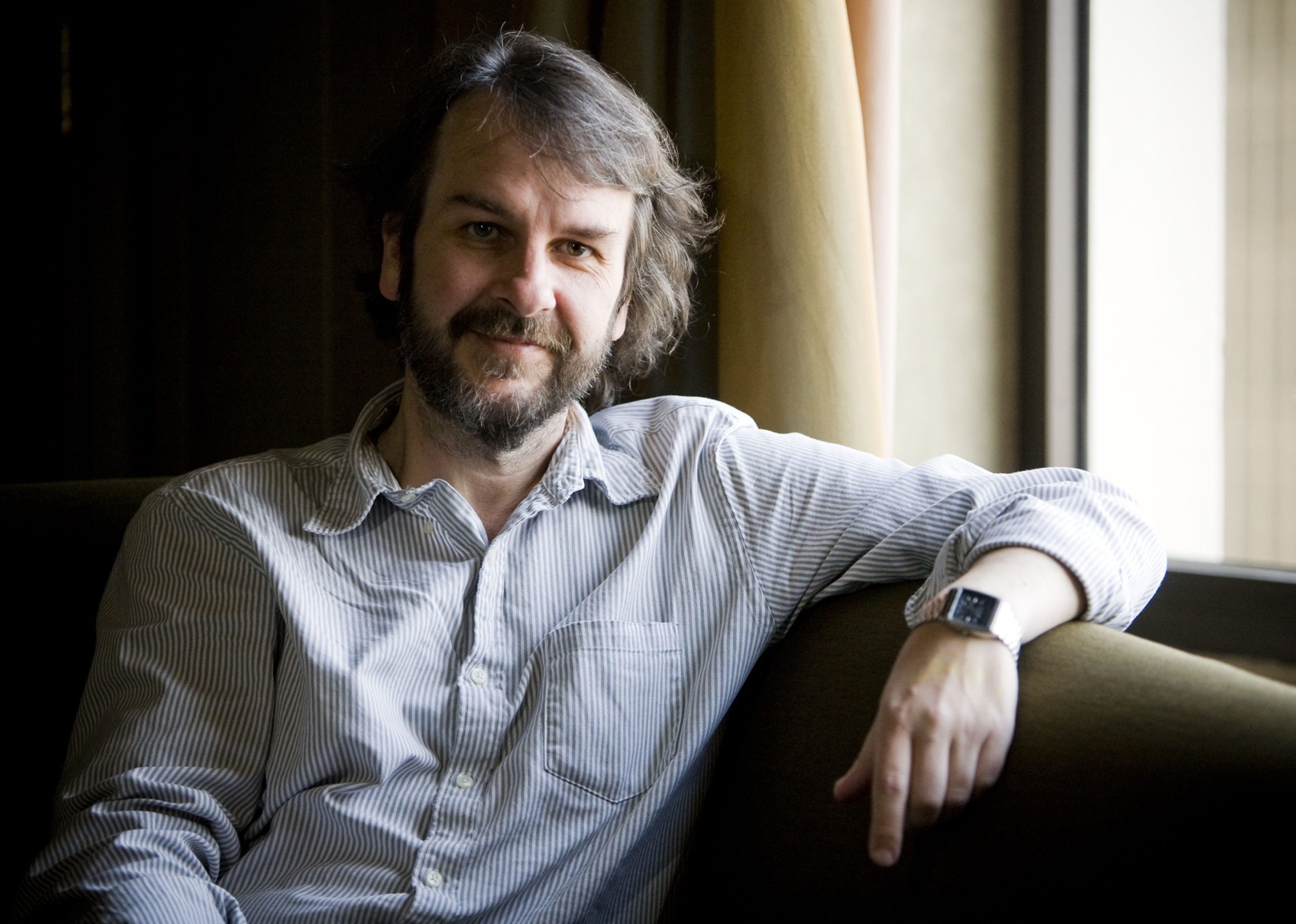
1. Peter Jackson (=)
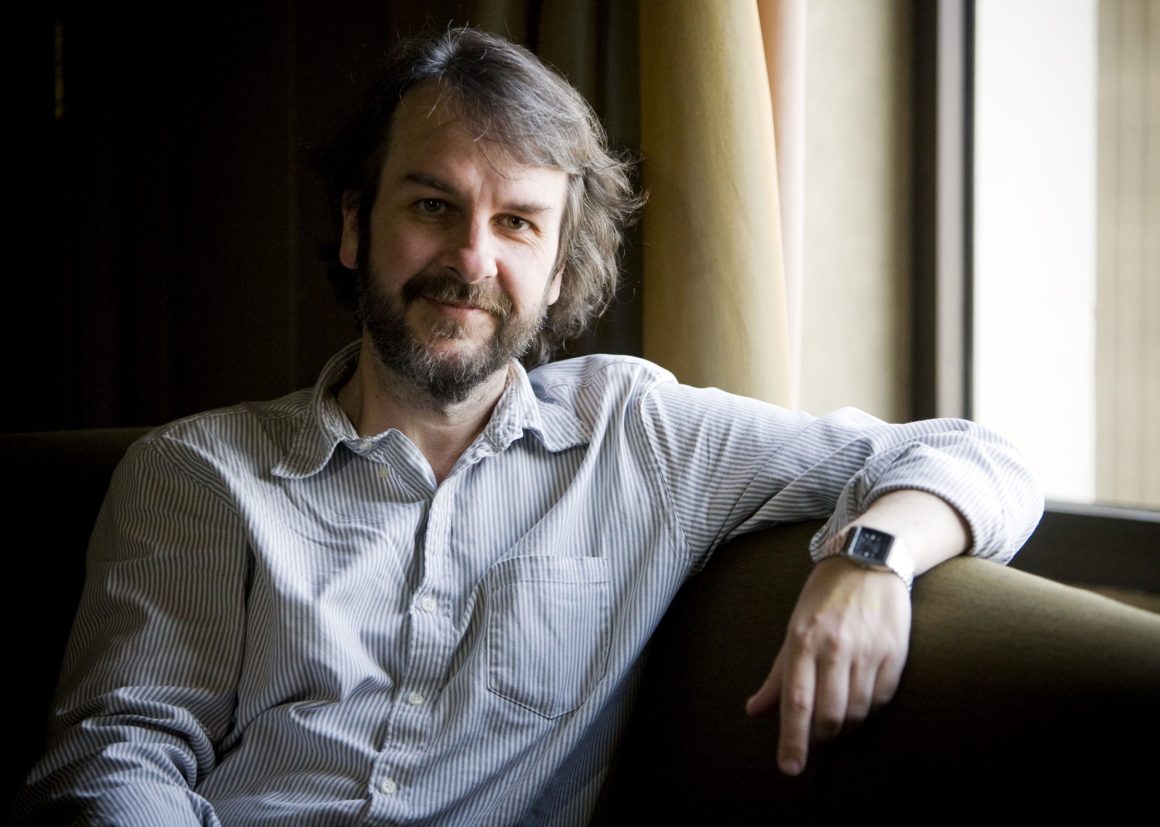
A multiple-Oscar-winning film-maker, Jackson has done much to build up the Wellington film industry. He has turned philanthropist (his cash saved BATS Theatre’s premises) and continues to drive the growth of Wellywood.
2. Bernadette Courtney (UP)
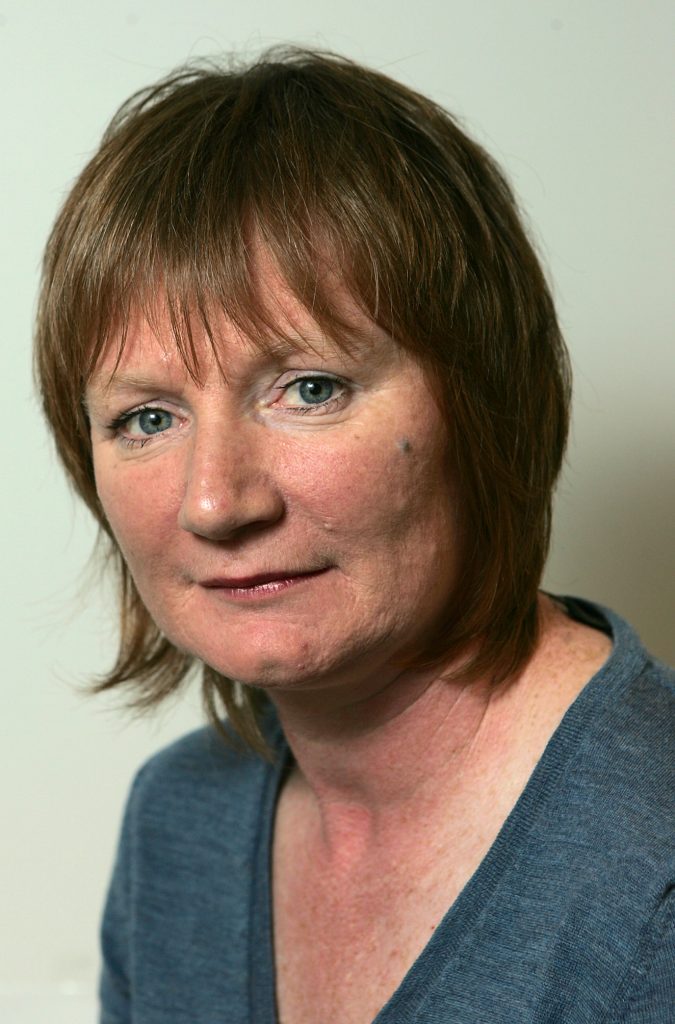
As editor of the Dominion Post, she remains the dominant media player in the capital. This year – especially since John Key’s “dying Wellington” crack – the paper has turned its sights on the capital and what it needs to thrive.
3. Celia Wade-Brown (=)
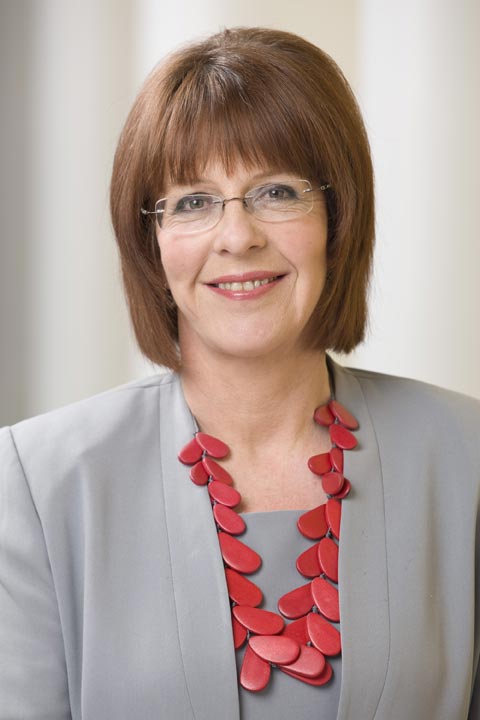
Wellington’s mayor still struggles for control over her council, and lost the regional battle on light rail. But she remains the head of the region’s largest council, and is working behind the scenes for a smart, green city. Whether that continues rests, of course, on the current elections.
3. John Morrison (=)
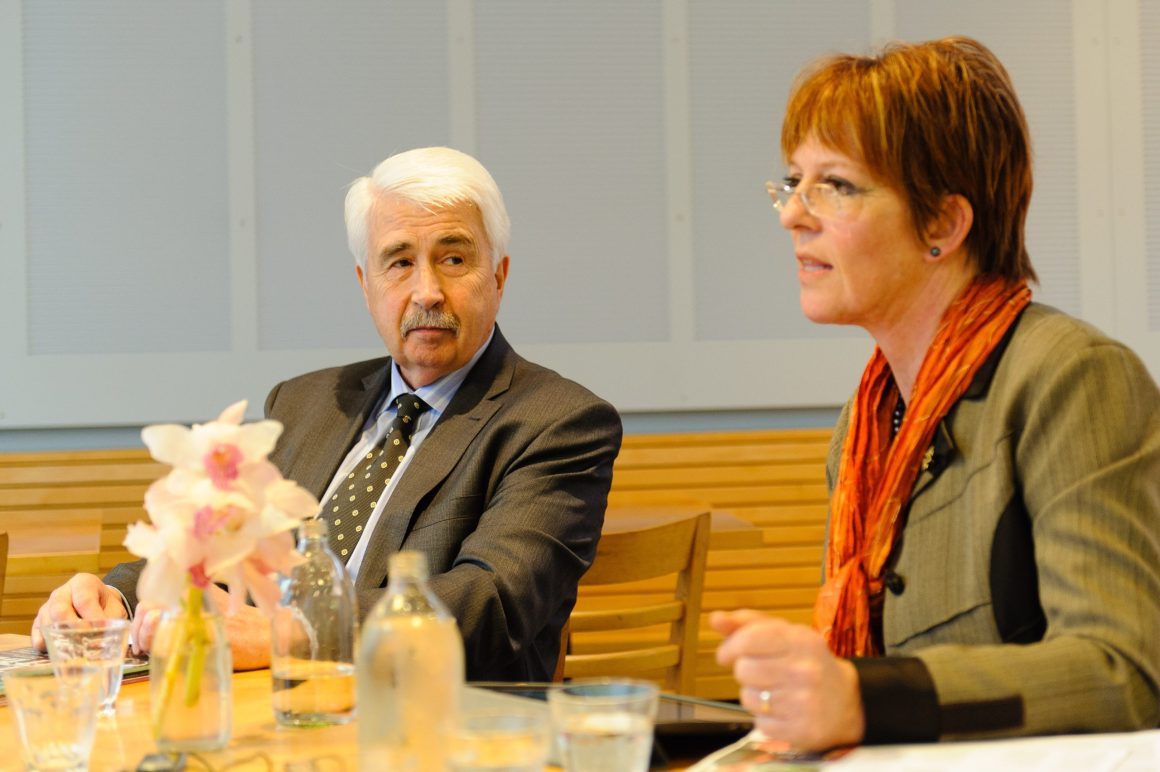
The former Test cricketer has always been influential in sports matters, but this year has leapt into the spotlight by standing for mayor, as well as bringing major events to Wellington – and jobs. But with the mayoralty race an all-or-nothing tilt, he could be off the list as quickly as he arrived.
5. Gareth Morgan (UP)
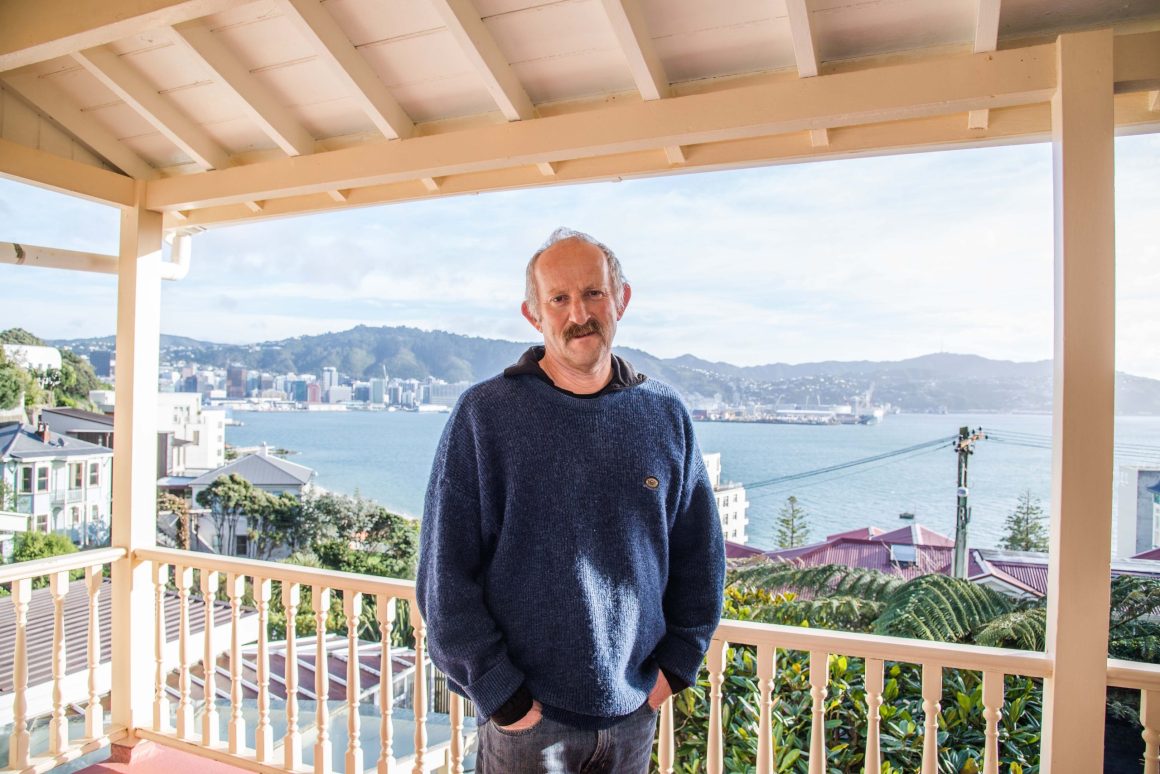
Fund manager, investor, philanthropist, author and commentator, Morgan was involved in the charge to rescue the Wellington Phoenix. Since then his anti-cat crusade and pro-wildlife ‘Halo effect’ drive have only raised his profile.
6. Fran Wilde (DOWN)
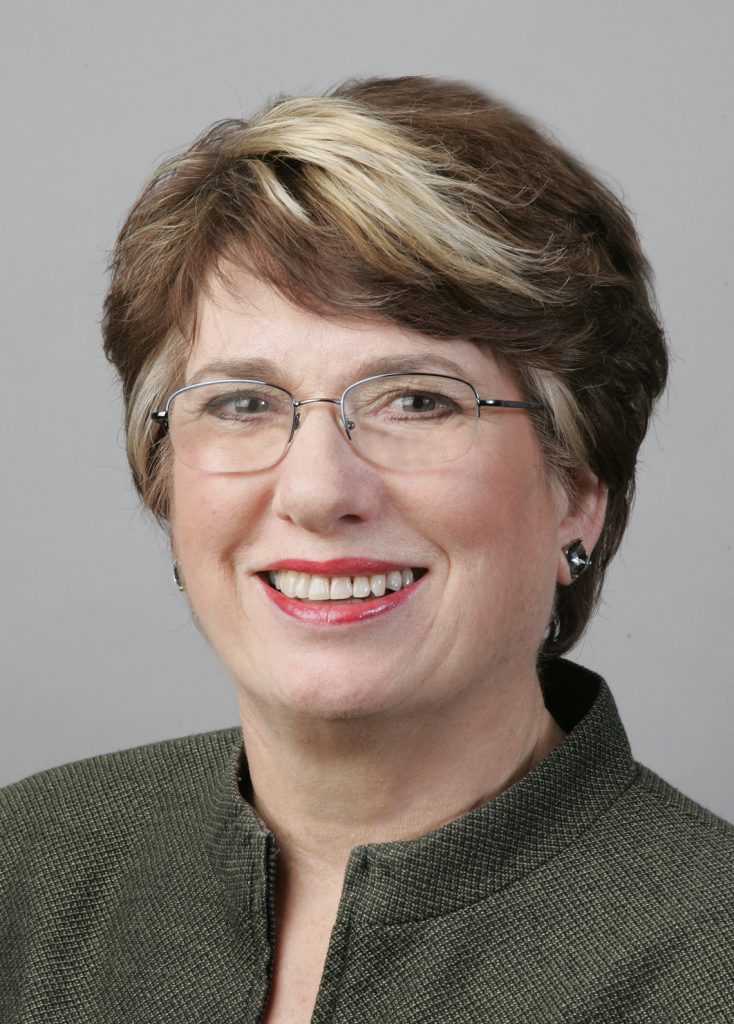
The no-nonsense head of the Greater Wellington Regional Council is still driving hard for a supercity, and will almost certainly have a referendum to contest next year. But her abrasive style has lost her a few friends.
7. Grant Robertson (UP)
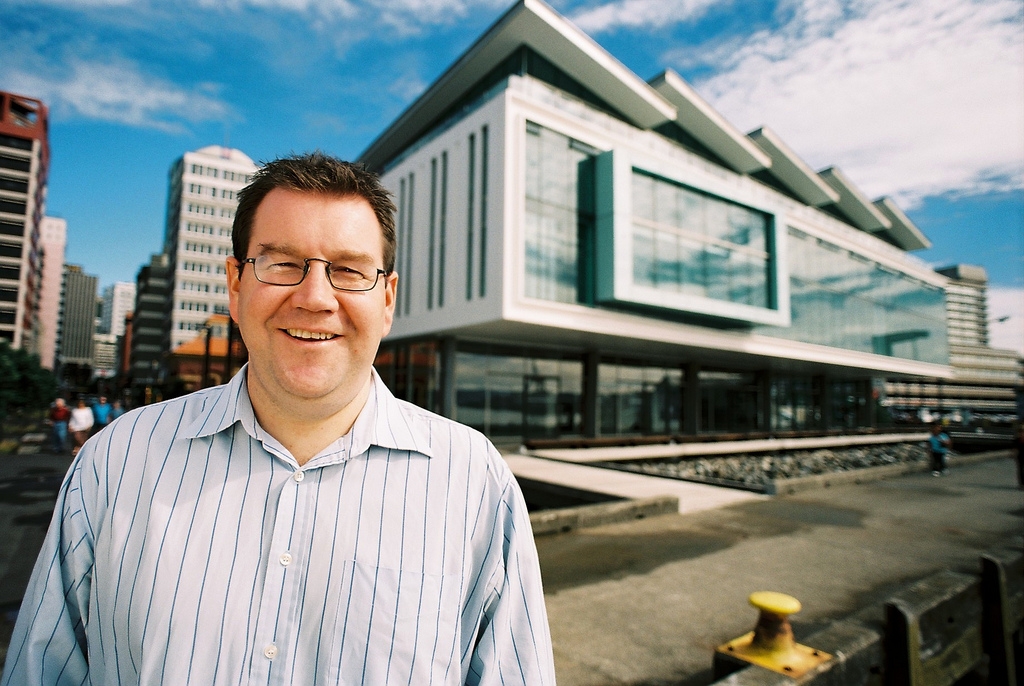
With the Labour leadership in the balance as this went to press, the high-profile Wellington Central MP’s future was uncertain. But a win for Robertson – and potential prime ministership – would certainly help restore the part of Wellington’s fortunes that relies on the public sector.
8. Kevin Lavery (NEW)
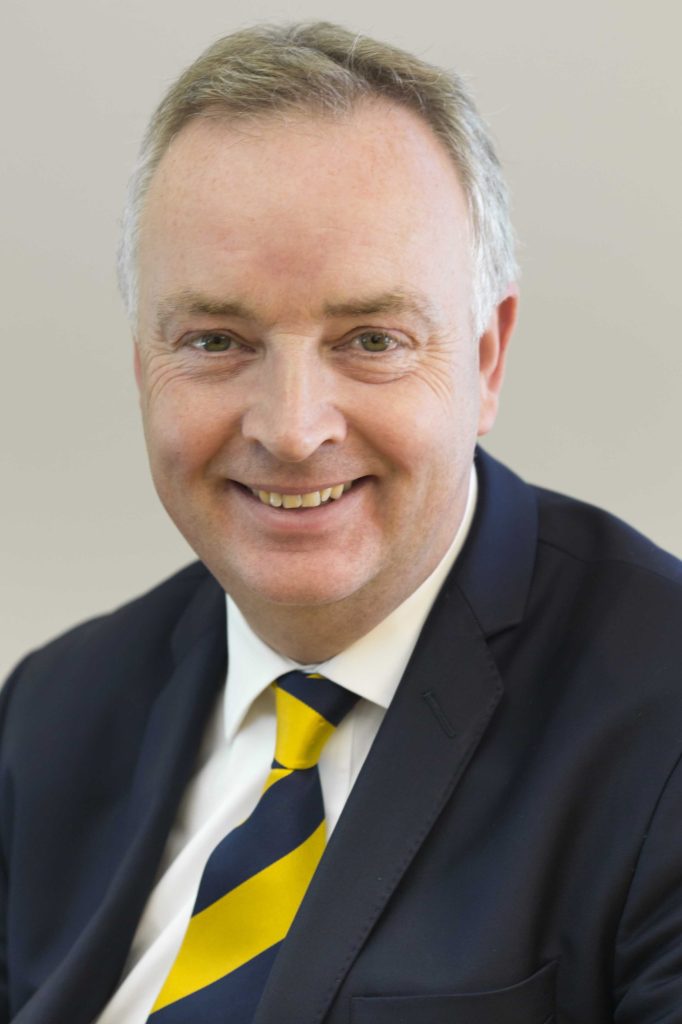
He’s only been Wellington City Council’s CEO for a short time, but has stamped his mark, especially with a pre-election report that called for more borrowing but quicker decisions. A strong presence, he seems set to become more ‘part of the story’ than most CEOs.
9. Chris Parkin (=)
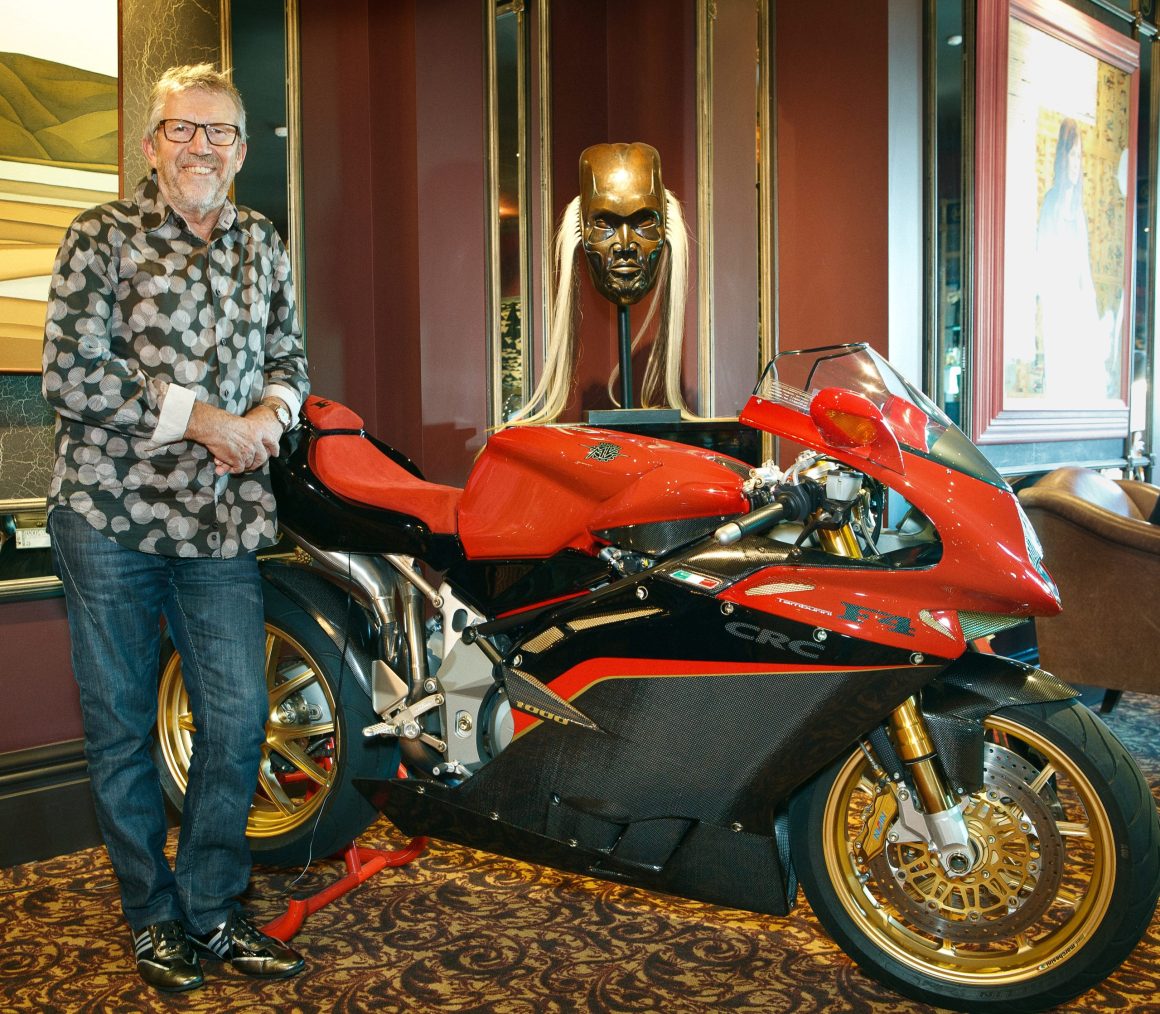
Now best known for owning the Museum Hotel, he is also a former three-term Wellington councillor with strong political networks. He sits on numerous arts and culture boards, including the St James Theatre Charitable Trust and the Te Papa board. He is also a major patron of artists and arts organisations.
10. Tim Brown (UP)
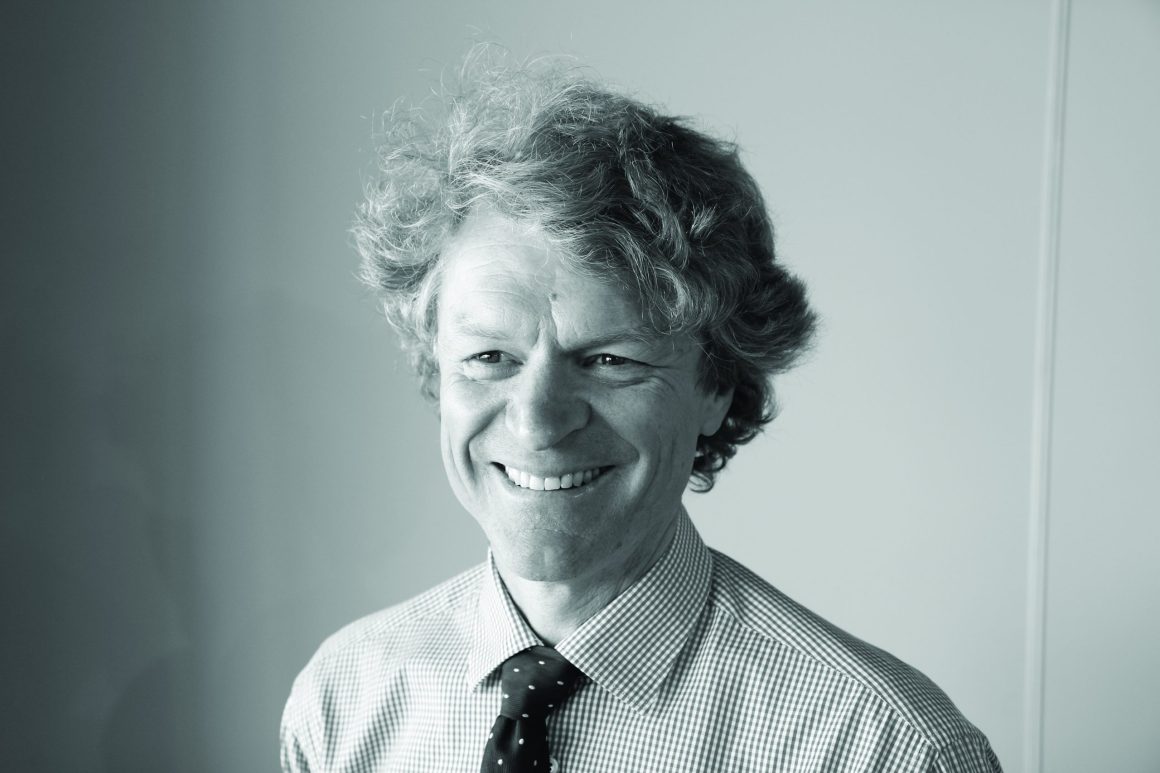
An executive at infrastructure firm Infratil, Brown also heads up the Creative Capital Arts Trust, which runs the Fringe Festival. As a director of Wellington Airport, he’s also driving the plans for a runway extension.
[info]How we did it
The list was compiled with the help of two members of the FishHead advisory board – who, this year, have been excluded from the list in order to avoid any (admittedly outrageous) accusations of bias. These are International Festival of the Arts chair Kerry Prendergast, who is also the head of the Environmental Protection Agency and a former Wellington City mayor, and property ‘farmer’ Ian Cassels, the head of leading developers The Wellington Company and a prominent commentator on Wellington affairs. After extensive research (including feedback from 2012’s list) presented during heated debate in an even hotter room, an initial list of 100 people was chopped, changed, and then distilled further to leave a draft document containing many of the individuals presented above.
This list was then refined and formally ranked by FishHead editor Richard Aindow and senior features writer Max Rashbrooke. One again, complaints, threatening letters and bribes for higher placings next time should be directed to this duo.
[/info]